Backup Power Systems: The Dependable Answer for Constant Energy Flow
Automatic generators provide crucial protection from electricity outages. The generators work flawlessly, switching on in moments following an interruption. Running on diverse fuels, they make certain homes and businesses remain operational when disaster strikes. However, knowing their advantages and specifications is crucial to reaching the right conclusion. What aspects should one consider before investing in this type of unit? The next segments discuss these vital considerations.
The Mechanics of Backup Power: Their Operation
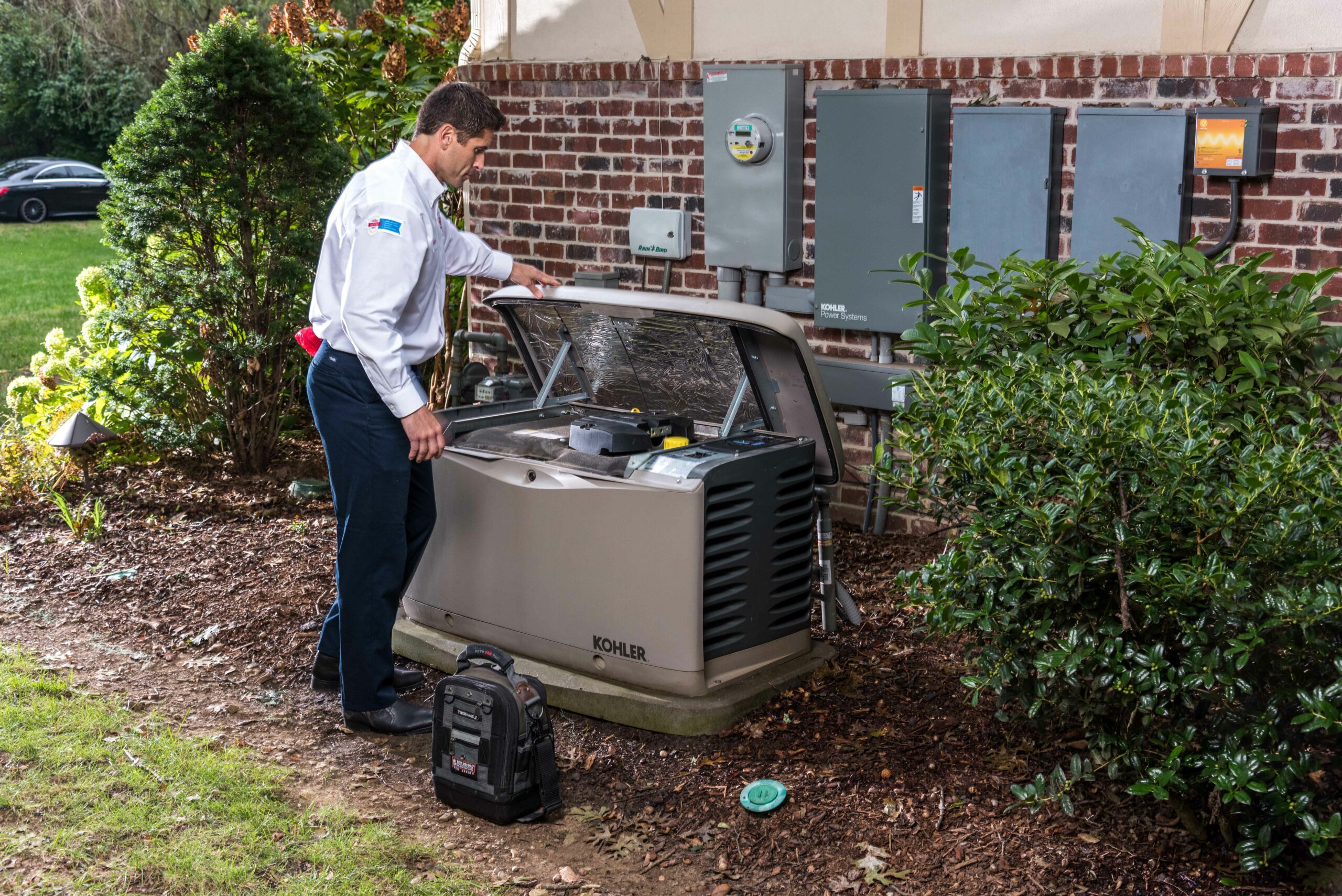
Standby generators are essential devices that offer reliable emergency electricity during outages. Generators are often sited outside a home or building, linked to the main wiring and powered by diesel, propane, or natural gas. If an electricity outage happens, the system recognizes the lack of power and activates within seconds. This action utilizes an ATS (Automatic Transfer Switch), which separates the building from the main supply and links it to the backup unit
(Portland Standby Generators)The system starts creating electricity, supplying power to essential circuits or the whole building, depending on its capacity. Most standby generators feature a built-in monitoring system that confirms optimal performance and upkeep. The generators function for prolonged times, offering a constant energy supply until the main grid is back online. Grasping how backup generators work helps homeowners appreciate their role in enhancing energy security and minimizing disruptions when the power suddenly fails
Benefits of Installing a Standby Generator
Dependability is a major benefit when putting in a backup system, since it ensures continuous electricity when the power fails. This vital function guarantees that homes and businesses remain operational, safeguarding important possessions and preserving convenience. Additionally, backup systems boost security by preventing power outages that may result in risky circumstances, such as burst plumbing or non-functional medical devices.
Cost-effectiveness is a key positive aspect; while the initial investment may be high, the future financial benefits from avoided food spoilage, business interruption, and emergency repairs can be remarkable. Furthermore, backup power systems boost the home's worth, which makes them an desirable characteristic for potential buyers.
Convenience is also notable, as such systems start up on their own during an outage, eliminating the need for human involvement. This uninterrupted functionality enables homeowners to keep up their normal schedules without hiccups. Overall, having a backup generator provides security, assuring that power is always available when it matters most.
Important Attributes to Consider in a Standby Generator
When selecting a standby generator, several key features need to be taken into account to ensure optimal operation and suitability for specific needs. To begin with, the wattage capacity is crucial; prospective owners must calculate the necessary power to run critical equipment during an outage. Moreover, the type of fuel—whether NG, propane, or diesel—affects efficiency and long-term expenditures.
An additional key element is the transfer switch, which facilitates seamless power changeover and improves security. The robustness and construction quality are also important; a sturdy unit can handle severe elements.
Furthermore, noise levels should be assessed, as quieter models are preferable for residential areas. Certain models include auto-start functions, adding comfort during unforeseen blackouts. To conclude, warranty and service options should be reviewed, ensuring dependable assistance and maintenance. When considering these factors, future owners can pick a unit that meets their unique power needs successfully.
Elements to Evaluate Before Purchase
Prior to purchasing a standby generator, potential buyers should diligently assess multiple critical elements to ensure they reach an educated choice. Portland Standby Generators. To start, they must assess their power needs by calculating the wattage required to operate critical systems during an outage. Secondly, the type of explore this fuel is critical; options include natural gas, propane, or diesel, all having distinct benefits and supply concerns
Moreover, customers need to examine the generator's transfer switch, which ensures easy power switching. Installation requirements are also important, since certain models might require expert setup or the securing of permits
Service agreements and warranties should not be overlooked, since they significantly affect long-term satisfaction. Lastly, potential buyers should evaluate the generator's noise levels, especially if they live in a housing development. By considering these elements, buyers are able to choose a backup power unit that best meets their particular requirements and desires
Tips for Maintaining Your Standby Generator

Consistent upkeep is vital for guaranteeing ideal performance and extending the life of the unit. Owners should begin by inspecting the oil level in the unit, changing the oil and filter following the guidelines provided by the manufacturer. Regularly check the air filter and replace it as necessary to guarantee optimal airflow. You should also test the battery and remove any terminal corrosion to ensure it starts reliably.
Run load tests from time to time to verify the generator manages the capacity it is rated for. Furthermore, ensure that the exhaust is clear of blockages and leaks. Maintaining a clean, debris-free generator can prevent the unit from overheating and having other issues.
Lastly, schedule professional maintenance annually at a minimum to fix any issues that might arise and conduct thorough checks. By using these maintenance practices can maximize the longevity of a standby generator, offering reassurance during electrical failures.
Frequently Asked Questions
How Much Do Standby Generators Typically Cost?
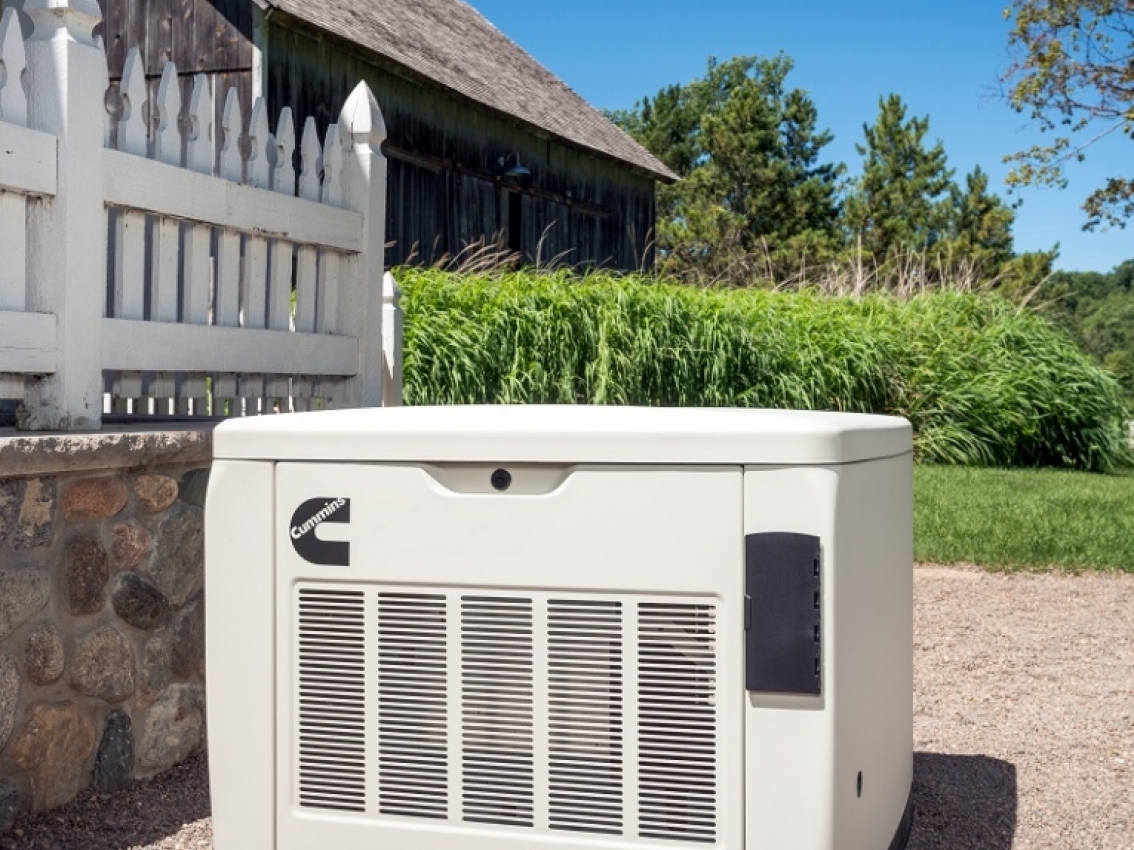
Standby generators typically cost from $2,000 to $15,000, based on elements like power output, brand, and installation complexity. Extra costs often involve fuel tanks, permits, and ongoing maintenance, influencing the overall investment required.
Is Self-Installation of a Standby Generator Possible?
It is possible to install a standby generator yourself, though it demands familiarity of local regulations and electrical systems. Most professionals advise employing a specialist to ensure security, compliance, and ideal performance of the generator installation.
What Energy Sources Do Standby Generators Use?
Standby generators typically use fuels such as diesel, natural gas, propane, or gasoline. Portland Standby Generators. The choice of fuel is usually determined by the cost, availability, and particular power requirements, influencing the efficiency and performance of the generator
Do I Need Permits for Installation?
Yes, permits are often required for the installation of standby generators. Rules differ depending on the area, so it is crucial for contractors or homeowners to speak to the municipal government to ensure adherence with all relevant codes and requirements.
How Long Can a Standby Generator Run Continuously?
A standby generator can run continuously for varying durations, usually between 24 and 48 hours, based on the load demands and fuel availability. Routine upkeep ensures maximum efficiency and durability during long running times.